China has become one of the world’s leading centers for footwear outsole mold development and manufacturing. From athletic shoes and outdoor footwear to sandals and casual products, many global footwear brands rely on Chinese factories and mold developers for fast sampling, cost-efficient tooling, and scalable production support. The development of outsole molds in China is not simply about producing metal tooling. It is a complete engineering process that combines footwear design, material science, mold structure optimization, manufacturing technology, and mass production experience. The outsole mold development process usually starts with a footwear brand, designer, or factory providing: 2D outsole drawings 3D sole files Tech packs Reference samples Material requirements Performance targets Chinese outsole development teams first analyze the product’s intended use. Different footwear categories require different outsole engineering approaches. For example: Running shoes focus on lightweight performance and cushioning. Outdoor footwear requires stronger grip and abrasion resistance. Sandals and slides prioritize comfort and flexibility. Safety shoes require durability and anti-slip performance. This early-stage engineering evaluation is important because outsole structure directly affects comfort, weight, durability, and manufacturability. After receiving the outsole design, engineers create detailed 3D models using CAD software. Chinese mold factories commonly use advanced engineering systems for: Sole structure optimization Pattern depth analysis Shrinkage compensation Material flow simulation Mold opening direction planning At this stage, engineers must also consider the production material, such as: EVA Rubber Phylon TPU TPR Injection compounds Each material behaves differently during heating, foaming, and cooling, so mold structures must be adjusted accordingly. China’s footwear supply chain advantage becomes very clear during this phase because outsole developers often work closely with material suppliers, footwear factories, and mold workshops simultaneously. Once the outsole mold design is finalized, the tooling production process begins. Most outsole molds in China are manufactured using CNC machining technology. Depending on the outsole type and production method, molds are typically made from: Aluminum Steel High-strength alloy materials Modern Chinese mold factories use: CNC engraving machines High-speed milling systems EDM processing Precision polishing equipment This allows factories to produce highly detailed outsole patterns, textures, logos, and functional grip structures with strong consistency. One major advantage of China’s mold industry is production speed. Many experienced outsole mold factories can complete sample tooling within a relatively short development cycle compared with traditional overseas suppliers. After the mold is completed, the factory produces trial outsole samples. This sampling stage is critical because engineers evaluate: Shape accuracy Material expansion rate Sole hardness Surface quality Pattern clarity Bonding performance Comfort and flexibility In many cases, several rounds of modifications are required before final approval. Chinese outsole developers often work directly with footwear factories during this phase to quickly adjust tooling dimensions, mold pressure settings, or material formulas. For export projects, global footwear brands may also conduct: Abrasion testing Slip resistance testing Flex testing Aging tests Environmental compliance inspections After approval, the outsole mold enters mass production. A well-developed outsole mold must achieve: Stable output Consistent sizing Low defect rates Efficient cycle times Long mold lifespan China’s footwear manufacturing ecosystem provides strong advantages here because mold factories, raw material suppliers, and shoe assembly factories are often located within the same industrial regions. This integrated supply chain helps reduce communication delays and allows faster troubleshooting during production. Today, China remains one of the most important global centers for outsole mold development because of several key advantages: China offers a highly integrated footwear ecosystem, including materials, tooling, machinery, engineering, and production. Many Chinese outsole engineers and mold developers have decades of experience working with international footwear brands. Chinese factories are known for rapid prototyping and shorter mold development lead times. Compared with many Western markets, China can still provide competitive tooling and production costs. Factories can support both small-batch development projects and large-scale commercial production. The footwear industry is evolving quickly. Today, Chinese outsole mold manufacturers are increasingly investing in: Sustainable material technology Lightweight outsole engineering Automation systems 3D printing support Digital mold simulation AI-assisted design optimization As global footwear brands continue diversifying production across Asia, China remains a key innovation center for outsole engineering and mold development. For footwear brands seeking reliable development partners, China continues to offer a combination of engineering capability, manufacturing experience, and supply chain efficiency that is difficult to replace.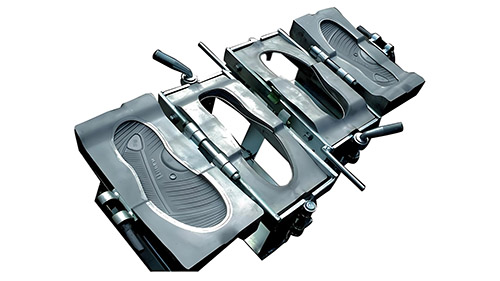
Step 1: Understanding the Shoe Sole Design
Step 2: 3D Engineering and Mold Structure Design
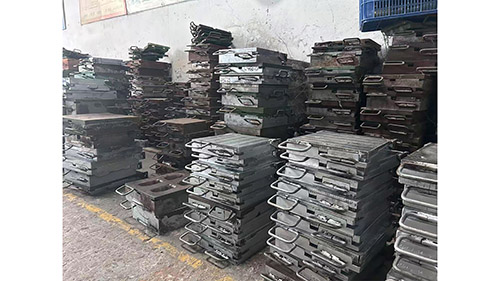
Step 3: CNC Machining and Mold Manufacturing
Step 4: Sampling and Wear Testing
Step 5: Mass Production Support
Why Global Brands Develop Outsole Molds in China
Complete Supply Chain
Technical Experience
Fast Development Speed
Cost Efficiency
Manufacturing Scalability
The Future of Outsole Mold Development in China
Contact: Sales Dept
Phone: 0769-86293481
Tel: 0769-86293481
Email: sales@smstechindu.com
Add: B2B Office: Fl4 HuaGu Building 3, BaoTang Road, HengKeng, LiaoBu Town, Dongguan, China
We chat