Over the past decade, the global footwear industry has experienced major changes. Rising labor costs, geopolitical tensions, tariffs, and supply chain diversification have pushed many footwear brands to expand production into countries such as Vietnam, Indonesia, and India. However, despite these shifts, China remains the world’s most important center for outsole development and mold engineering.
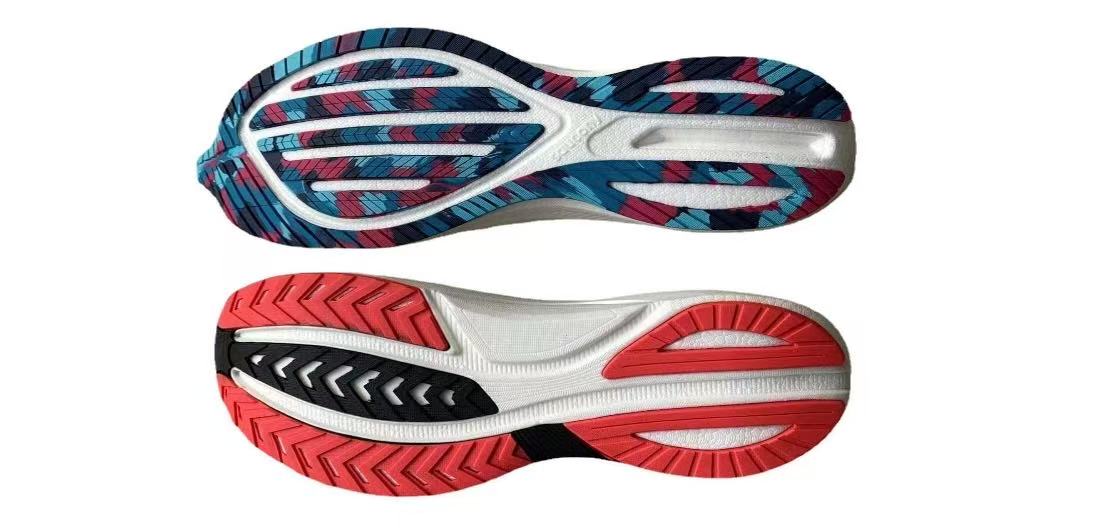
The reason is simple: outsole development is not only manufacturing — it is a highly specialized industrial ecosystem.
China still controls a significant share of the global footwear supply chain, with deep expertise in outsole molds, EVA injection systems, rubber compounding, tooling engineering, CNC machining, and rapid prototyping. Industrial regions such as Guangdong and Fujian have spent decades building highly integrated footwear clusters where raw material suppliers, mold factories, machinery companies, testing labs, and footwear manufacturers operate within the same ecosystem.
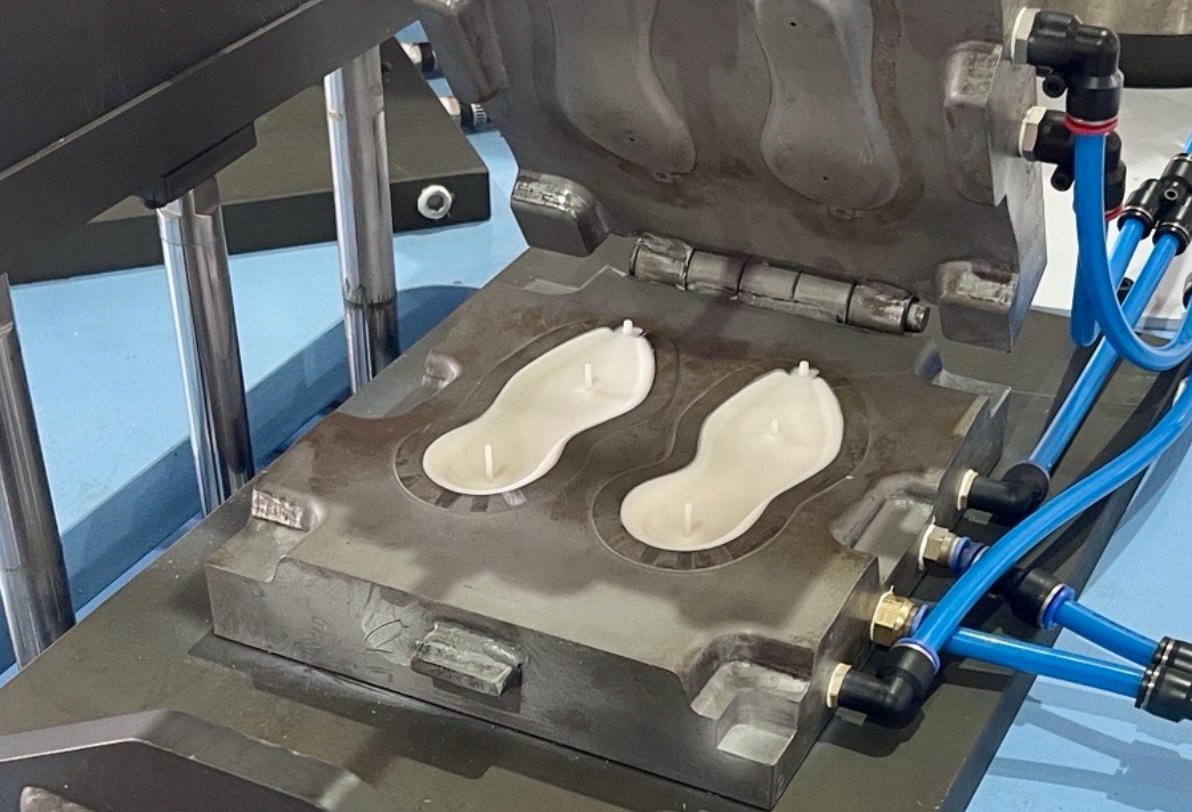
While labor-intensive shoe assembly has gradually moved to lower-cost countries, outsole development remains heavily dependent on engineering capability and technical experience. Developing a shoe sole requires understanding material expansion ratios, mold temperatures, pressure systems, tread functionality, durability testing, and mass-production efficiency. This level of expertise cannot be replicated quickly. Many Chinese outsole engineers and mold technicians have more than 20 or 30 years of specialized experience working with international footwear brands.
Speed is another major reason global brands continue relying on China. Modern footwear brands operate under intense pressure to shorten development cycles. Chinese factories are known for rapid sampling, fast tooling revisions, and efficient communication between development departments and production lines. In many footwear hubs, outsole molds, raw materials, and prototype factories are located within hours of each other, dramatically reducing development time.
Technology also plays a critical role. China has invested heavily in advanced manufacturing equipment including high-precision CNC systems, EVA injection molding machines, digital mold simulation software, and automated production lines. Many factories are now integrating AI-supported manufacturing systems, IoT monitoring, and sustainable production technologies into outsole manufacturing.
Tariffs and geopolitical risks have certainly influenced sourcing strategies, especially for finished footwear exports to the United States and Europe. As a result, many global brands now adopt a “China + Southeast Asia” model. In this structure, outsole development, mold engineering, and material R&D are often completed in China, while final shoe assembly may happen in Vietnam or Indonesia to reduce tariff exposure and labor costs.
Human capital remains one of China’s strongest competitive advantages. Footwear outsole development requires skilled technicians capable of handling precision mold adjustments, material troubleshooting, and production optimization under tight deadlines. This combination of technical depth, industrial discipline, and scalable manpower is still difficult for many emerging manufacturing countries to match consistently.
Today, footwear brands are no longer choosing China only because of cost. They continue relying on China because China offers something far more valuable: a complete outsole development ecosystem built on decades of manufacturing experience, engineering specialization, supply chain integration, and industrial speed.
In the global footwear industry, China is no longer simply “the factory of the world.” For outsole innovation and mold development, it remains one of the industry’s most important technology and engineering centers.
Contact: Sales Dept
Phone: 0769-86293481
Tel: 0769-86293481
Email: sales@smstechindu.com
Add: B2B Office: Fl4 HuaGu Building 3, BaoTang Road, HengKeng, LiaoBu Town, Dongguan, China
We chat